Not Praise, But to Be Seen: Bad Words by Rioghnach Robinson
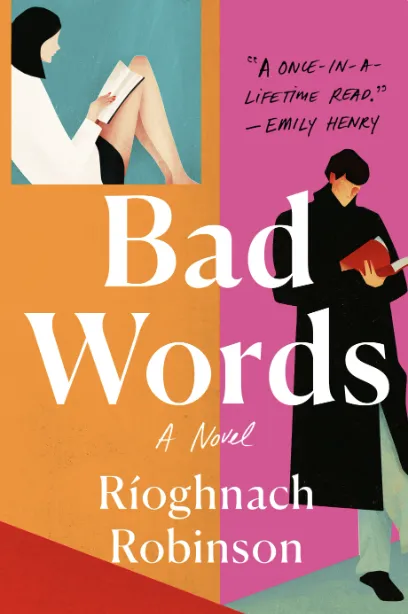
I have an aversion to genre-bending novels, especially when those bending genres are literary fiction and romance. I hold romance novels dear to my heart, and I found the literary-fiction spin on it devoid of everything that makes the genre special to me. Literary fiction expects its readers to root for couples who clearly shouldn’t be together, puts characters through tragedy and trauma, and eventually turns something that should be joyful into something depressing. Literary fiction didn’t promise me roses, I know. It’s just that if I am reading a love story, I want it to be a romantic one, not a tortured one.
When I read reviews from advance readers mentioning how Bad Words was a genre bender and a genre blender, how the prose was elevated, and how the characters were complicated, I was like, do I want to read this book? But I had this pull toward books about books, where you can get a peek into the publishing industry and an author’s creative process. But most importantly, why we write.
Few tropes create visceral tension like an enemies-to-lovers story written right. “Enemies” in contemporary stories can be inane, they're not like the feuds between families in nineteenth-century novels or the warring factions in romantasy. But Bad Words promises you two characters who deserve that title: an author and his most fierce critic. How can you be with someone, love someone, who publicly crashed the work you poured your soul into?
But calling them enemies is only the first step. The real challenge is convincing the reader that enough layers have been peeled back, walls torn down, efforts made, and amends given for them to deserve the title of “lovers.” That progression in Bad Words was the most convincing, and also the most beautiful, I have read in a long, long time. Selina saw Parker. She understood what he was trying to say, which is maybe all we want when we put a piece of writing out there: not praise, but to be seen.