Things We Never Say: We Don’t Know Anyone, Really
A review of Elizabeth Strout’s The Things We Never Say: a novel about shame, loneliness, and the parts of us that belong only to us.
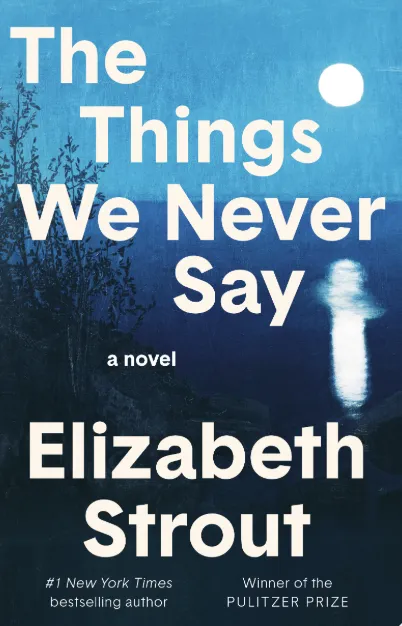
Artie Dam, in his slightly old age, has been having a hard time coping with the rapidly changing world. The year is 2024, post-pandemic. His high school students are afraid of things they can’t quite name. He uses old-fashioned words that are no longer politically correct. Trump is coming, and, as a history teacher, that scares the shit out of him. (He may not always use the appropriate word, but he is not a bigot.)
He feels disconnected from the world he lives in and from his family. Like many families, they have their share of traumas, and the ripples are still there in their disconnect. The family’s tragedy, his wife Evie’s secret, and the trajectories of the characters are the plot engine, but what the story is really about is how private every person is. We don’t know anyone, really.
Artie thinks his feeling of loneliness stems from that. If everyone keeps to themselves then what the hell are we doing here? On the other hand, is it inherently bad for people to be private? Maybe it is totally okay to have some parts of us that are only for us. It’s so human and it’s by design. We are able to maintain relationships with others because we don’t know everything about them.
Sometimes we want to share some of the uglier parts of ourselves and still feel safe in our friendships and families, and sometimes we want to keep our shame very close to our hearts. We expect authenticity and honesty from our loved ones to some degree, though maybe not always. It’s complicated, and it doesn’t always make sense.
Elizabeth Strout is a Pulitzer Prize-winning author (in 2019, for Olive Kitteridge), so maybe take my notes on her prose with the biggest pinch of salt. The way she constructs a sentence is beautiful and distinct. Her word choice is simple. But there are so many asides that it gets tiring. I can appreciate good prose, but I don’t want to be aware of the prose.